You're Not Imagining It: Winter Really Is Trying to Ruin Your Brakes
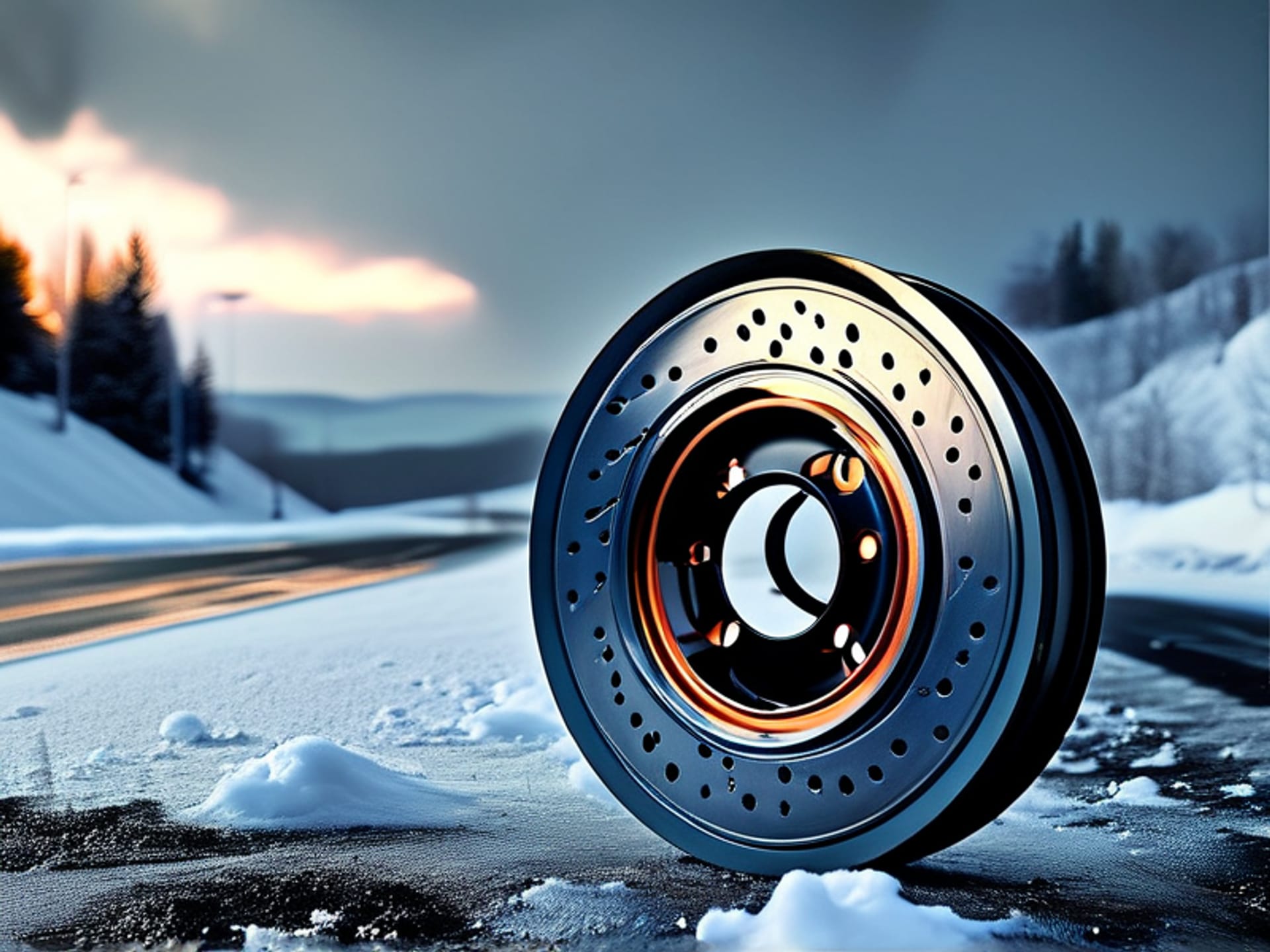
Let's be honest. Winter is a brutal, salty, slushy assault on your car. And your brakes take the brunt of it. That grinding noise isn't a monster under your wheels—it's the sound of snow, ice, and road chemicals doing unspeakable things to your rotors and pads. You can't avoid the season, but you can definitely stop it from eating your brake system alive. Here's how.
It's Not Just the Slush: The Real Enemy is the Salt
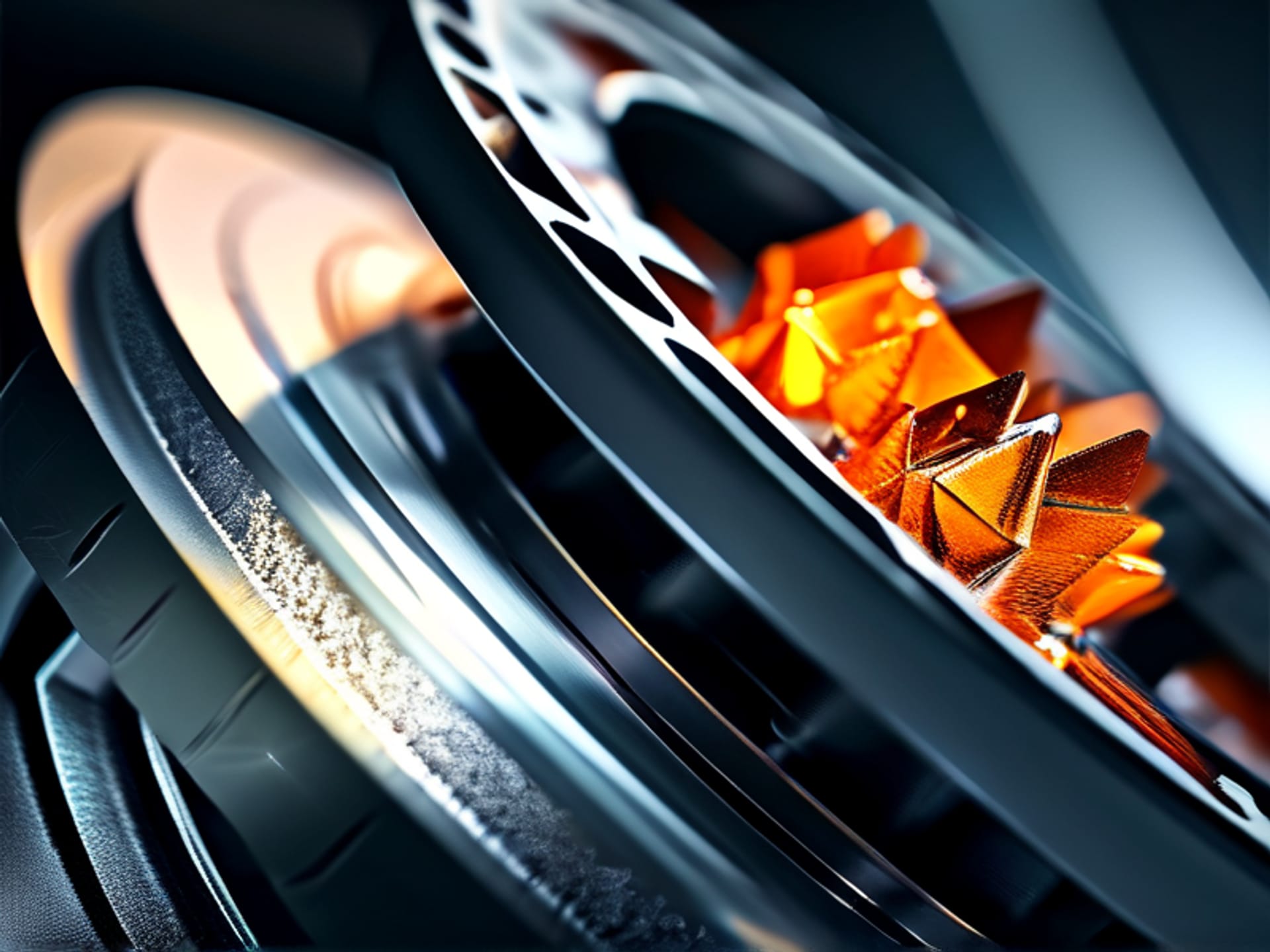
Everyone fixates on the ice. But salt? That's the silent killer. Road salt is a miracle for preventing skids and a nightmare for your brake components. It's hygroscopic, which is a fancy way of saying it loves moisture. It pulls water out of the air and locks it against your metal brakes. The result? Rust. Fast. What starts as a harmless-looking orange dust on your rotors can quickly become pitted, grooved metal that chews through your pads and makes stopping feel terrifyingly crunchy.
Pick the Right Brake Fluid: Your Hydraulic System's Winter Coat
Fluid gets cold. It's science. And if you're still running old, moisture-contaminated brake fluid from three summers ago, that fluid gets *thick* when the mercury drops. That means a mushy pedal and lazy stopping power when you need it most. Here's the thing: get a brake fluid flush before the deep freeze. Ask for a DOT 4 or DOT 5.1 fluid. They have a higher "wet boiling point," which just means they're better at resisting the effects of absorbed moisture (from humid summer air) that will poison your system. Think of it as antifreeze for your brake lines.
Your Post-Slush Ritual: The Five-Minute Car Wash That Saves You $500
Best piece of advice I can give you? Wash your car. Not the fancy interior vacuum, but a focused attack on the wheels and undercarriage. After a big storm or as soon as the roads are dry, hit a self-serve spray bay. Spend an extra two dollars blasting the salt and grime out of your wheels. Aim the wand straight into the wheel spokes at the caliper and rotor. You're not being obsessive; you're flushing away the corrosive cocktail before it sets up shop for the season. Do this regularly, and you'll be shocked at how much better your brakes feel—and how much longer they last.
Listen for the Whispers: Early Warning Sounds Your Brakes Give You
Your car talks to you. In the winter, it might start with a faint, high-pitched *screee* when you first apply the brakes in the morning. That's often surface rust being scraped off the rotors—annoying but normal. Pay attention if it changes. A constant grinding or a deep, guttural groan? That's a metal-on-metal emergency broadcast. A vibration or shimmy in the steering wheel when you brake? That could be warped rotors from extreme heat followed by a puddle-slush bath. Don't ignore these whispers. They turn into very expensive shouts real fast.