Secured Credit Cards vs. Credit-Builder Loans: Which Fits Your Situation?
Start with the problem you are trying to solve
A secured credit card and a credit-builder loan can both help create or strengthen a payment history, but they are not interchangeable. The better choice depends on whether you need a usable line of credit, a structured savings mechanism, or simply an account that reports on-time payments to the credit bureaus.
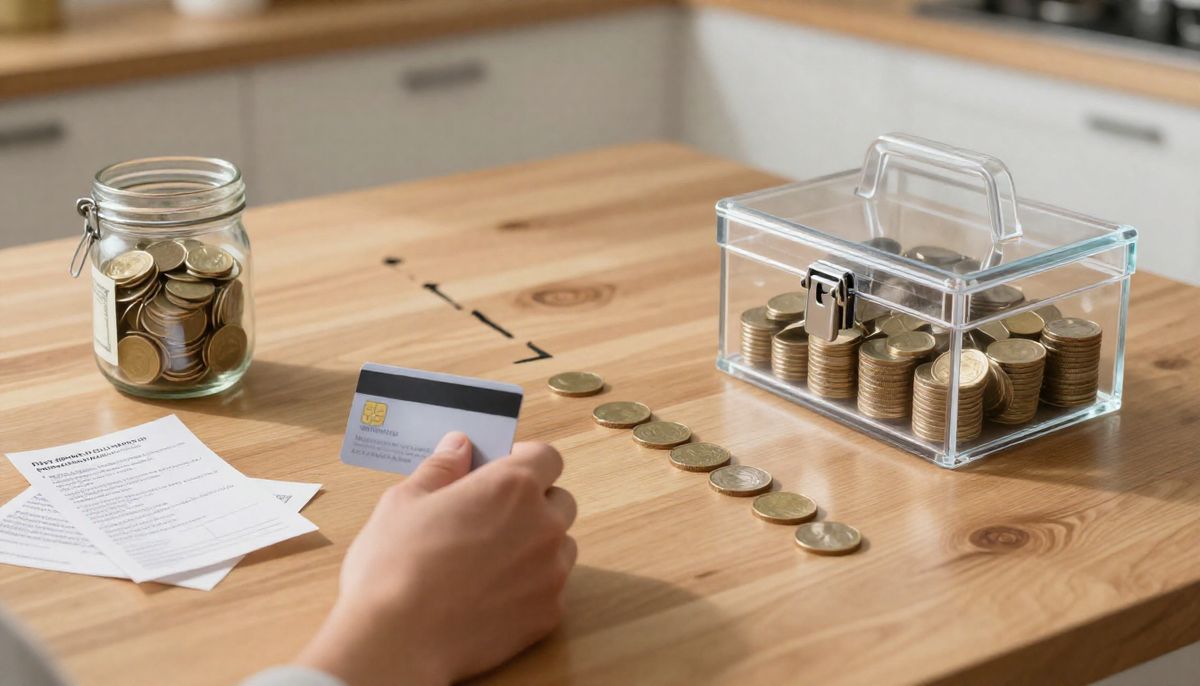
A secured credit card works much like a regular credit card. You provide a refundable cash deposit, and the issuer usually sets a credit limit based partly on that deposit. You can then use the card for purchases and repay the balance. The deposit protects the issuer if you default; it is not a payment toward your monthly balance.
A credit-builder loan reverses the usual order of borrowing. Instead of receiving money at the beginning, you make scheduled payments into an account or certificate held by the lender. After the final payment, you receive the accumulated funds, less any applicable charges. The lender may report those payments to one or more credit bureaus.
Neither product automatically repairs a damaged credit history. Payment history, balances, account age, applications, and the information already on your reports all matter. These products can add positive information, but they cannot erase accurate late payments, collections, or bankruptcies.
When a secured credit card is the practical fit
A secured card is often more useful when you need to demonstrate responsible revolving-credit management or want a payment method for a small recurring expense. For example, you might put a streaming subscription, transit pass, or one grocery purchase on the card, then pay the full statement balance every month.
The central risk is carrying a balance that is too large relative to the credit limit. If your limit is $300 and the balance reported to a bureau is $240, the reported utilization is 80 percent, even if you pay the bill before its due date. Paying in full avoids interest, but it may not prevent a high balance from being reported. You can reduce that risk by making an extra payment before the statement closes, if the issuer allows it, or by keeping purchases small.
- Confirm the annual fee, interest rate, late fee, deposit requirements, and any account-maintenance charges.
- Ask whether the issuer reports to the major credit bureaus used in your country, and whether it reports regularly.
- Check whether the deposit can be returned when the account graduates to an unsecured card or when you close the account with no balance.
- Use automatic payments for at least the minimum due, while keeping enough money in the linked account.
A secured card can be a poor fit if you are likely to use the available credit for necessities and cannot reliably repay it. The deposit does not make overspending harmless. Interest can accumulate, and a missed payment can damage your credit even though the account is secured.
When a credit-builder loan may make more sense
A credit-builder loan may suit someone who wants a fixed schedule and does not need another spending account. Because the borrowed funds are generally released only after the payment period, the product can create less temptation to spend than a credit card. It also turns each payment into a planned obligation that is easier to place in a monthly budget.
Suppose a hypothetical borrower has a stable income, $50 available each month, and no need for additional purchasing power. A small credit-builder loan with a manageable monthly payment could provide a predictable reporting history while building a cash reserve. The borrower must still compare the total amount paid with the amount eventually received. Fees and interest can mean the account is not an efficient savings vehicle, even if it serves a credit-building purpose.
Ask detailed questions before applying:
- How much will be deposited or held, and when will the funds become available?
- What is the total cost over the full term, including interest and administrative fees?
- Which credit bureaus receive payment information?
- What happens if you pay early, miss a payment, or need to close the account?
- Is the held money protected in a way you understand, and what access will you have during the term?
Credit-builder loans do not provide the same utilization benefit as a revolving account. They also create a new installment account and a payment obligation. If your budget is already strained, adding a loan solely for credit purposes may increase the chance of a missed payment.
Compare the tradeoffs before applying
Consider the choice across four practical dimensions: cash flow, spending behavior, credit goals, and total cost.
- Cash flow: A secured card requires an upfront deposit but usually offers flexible monthly payments, subject to the minimum payment. A credit-builder loan requires regular scheduled payments and may tie up the loan proceeds until the term ends.
- Spending behavior: A card can be useful for controlled purchases but can also make it easy to borrow more. A loan provides less immediate access to borrowed money, which may be safer for someone who prefers firm boundaries.
- Credit goals: A card can demonstrate both on-time payments and responsible revolving-credit use. A loan primarily demonstrates installment-loan payments. Neither category is universally better.
- Total cost: Compare fees, interest, deposit requirements, and the value of having access to the funds. A refundable deposit is different from a fee, but it still represents cash that cannot be used elsewhere while held.
Do not apply to several products at once simply to see which one approves you. Applications may create hard inquiries, depending on the provider and the product. Read the application disclosures, verify eligibility, and choose an account whose payment is comfortable even during a month with an unexpected expense.
Keep U.S. and Canadian details separate
Credit reporting is jurisdiction-specific. In the United States, lenders commonly report to Equifax, Experian, and TransUnion, but participation varies by provider. In Canada, Equifax and TransUnion are the primary consumer credit bureaus, and a lender may report to one or both. A product that reports in one country may not report in the other, so confirm this directly rather than relying on the product name.
Card approval rules, deposit treatment, account graduation policies, disclosure requirements, and available credit-building loans also vary by institution and province or state. Canadian consumers should review the lender's federal or provincial regulatory information as applicable. U.S. consumers should read the card agreement and loan disclosures, including the annual percentage rate and fee schedule. Avoid assuming that a product advertised online is available in your jurisdiction or reports to the bureau you monitor.
In either country, obtain your credit reports through the appropriate official or bureau-provided channels, check that the new account appears with the correct limit and payment status, and dispute factual errors with the relevant bureau and furnisher. Positive reporting is useful only when the information is accurate and actually reaches a bureau.
Choose the smallest commitment you can manage well
A sensible decision begins with a budget, not an application. List the amount you can reserve for a deposit or monthly payment without borrowing from rent, utilities, food, or emergency savings. Then decide whether you need spending access. If the answer is no, a credit-builder loan may provide a clearer structure. If you can limit purchases to planned expenses and pay the statement balance, a secured card may give you more useful experience with revolving credit.
For a hypothetical person choosing between a $500 secured card deposit and a fixed monthly loan payment, the deciding question is not which product promises the biggest score increase. No provider can guarantee that outcome. The better question is which account can be maintained perfectly for its entire term with the lowest unnecessary cost.
Set reminders, enable payment alerts, and review statements every month. Keep the account open only as long as it remains affordable and useful. Once you have established consistent payment behavior, reassess before adding more credit. Building a strong record usually depends less on having several accounts than on making every required payment on time and keeping debt within a level your household can control.